
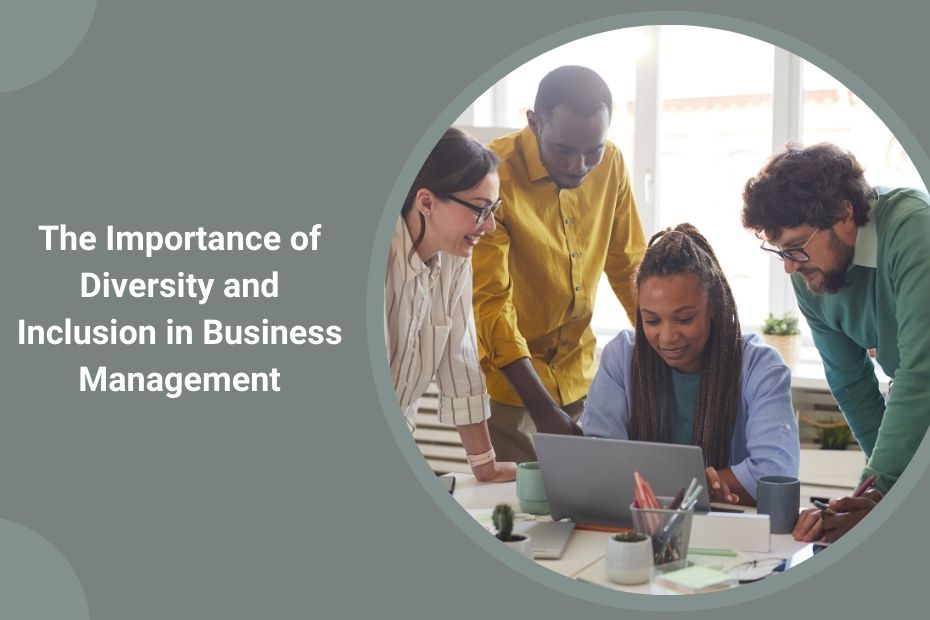
Building a business that thrives long term requires more than a smart product or a sharp go-to-market strategy—it demands a workplace culture where diverse voices are valued and included in decision-making. I’ve worked with leadership teams across different industries, and one pattern is consistent: the companies that outperform in creativity, adaptability, and customer satisfaction are the ones that make diversity and inclusion non-negotiable. It’s not just about hiring from different backgrounds—it’s about building an environment where those backgrounds shape how things are done, who gets heard, and what success looks like. That shift changes the conversation from box-checking to better results. This article breaks down why diversity and inclusion matter in business management, how they directly impact performance, and what it takes to get it right—not as a trend, but as a core business strategy.
Diversity Isn’t a Metric—It’s a Mindset Shift
Many companies start their diversity journey by focusing on representation. They track hiring stats, recruitment pipelines, and demographic ratios. While this data matters, it’s only part of the picture. Real diversity is about how differences are used to strengthen collaboration, not just how many groups are represented. That means managers need to move past viewing diversity as compliance and start seeing it as a competitive edge.
This starts with rethinking hiring and promotion practices. Are we recruiting from the same schools or networks every year? Are we promoting the loudest voices instead of the most effective contributors? When management begins to look at talent through a broader lens, they often discover skills and perspectives that weren’t visible through traditional filters. That’s the first win.
Inclusion Creates the Conditions for Innovation
A diverse team without an inclusive environment is like assembling a championship roster and then leaving half the players on the bench. Inclusion is what activates the power of diversity. It’s what makes people speak up, contribute their best work, and challenge old thinking. This is where real innovation starts—when people are safe enough to disagree, offer alternatives, and push for better.
I make it a point to observe how meetings are run, who dominates conversations, and how feedback is handled. If there’s no space for someone to share a different view without fear of being dismissed or ignored, the team isn’t inclusive—no matter how diverse it looks on paper. Encouraging managers to ask more questions, invite feedback from quieter team members, and reward idea-sharing over consensus can shift culture quickly.
Better Decisions Start with Broader Perspectives
Business decisions are only as strong as the inputs that shape them. Homogeneous teams tend to miss blind spots because they see problems through the same lens. Diverse teams don’t just add new perspectives—they create a fuller picture. That leads to better risk management, more relevant strategies, and fewer unforced errors.
I’ve watched product teams avoid costly missteps simply because someone with a different background caught a cultural assumption or user need that others missed. That kind of input isn’t a bonus—it’s essential. From branding to policy to hiring, inclusive leadership results in more accurate reads of the market and more durable plans. And that starts with making space for disagreement and debate, not just alignment.
Talent Retention Starts With Belonging
You can’t retain people who don’t feel they belong. Compensation, benefits, and title matter—but they won’t keep top performers engaged if they feel invisible or out of place. Inclusion means more than avoiding discrimination—it means actively creating a workplace where different ways of thinking, working, and communicating are not only accepted, but valued.
I pay attention to what happens outside formal structures—who gets invited to important conversations, who gets credit in debriefs, and who’s asked for input when the stakes are high. If only a few voices are heard when it matters, that sends a signal. Leaders who build real inclusion go out of their way to redistribute opportunity. That might mean mentoring junior staff, rotating leadership in team meetings, or highlighting unsung contributions. These actions may seem small, but they add up to a culture where people want to stay—and grow.
Customers Expect Representation Too
Your internal culture eventually shows up in your customer experience. If your team doesn’t reflect the people you serve, you’ll miss opportunities and, worse, make avoidable mistakes. A customer base that spans multiple geographies, backgrounds, and generations needs to see themselves in your products, marketing, and service.
This is where inclusive hiring translates directly to revenue. A sales team with diverse language skills or cultural awareness can open markets that might otherwise be inaccessible. A marketing team that catches subtle cues in imagery or messaging can prevent backlash and build deeper brand loyalty. And a customer support team that reflects your audience builds immediate trust. Diversity doesn’t just belong in HR—it needs to sit at the core of product and customer strategy.
Measurement Without Action Fails
Metrics matter, but only if they lead to change. I’ve seen companies celebrate diversity reports without addressing pay gaps, promotional inequity, or the lack of representation in leadership. That disconnect erodes trust and signals that inclusion is more PR than principle. So I work with teams to build scorecards that measure outcomes, not just intent.
We track things like representation in leadership, promotion rates by demographic group, participation in mentorship programs, and employee engagement scores broken down by identity. We also gather anonymous feedback to spot where inclusion is breaking down. And most importantly, we tie these metrics to performance goals—not just for HR, but for every senior leader. When inclusion becomes part of how leadership is evaluated, it gets real.
Start With the Conversations That Make People Uncomfortable
Real change starts when companies are willing to get uncomfortable. That means having honest conversations about bias, privilege, and power. It means acknowledging past missteps and committing to doing better—not perfectly, but consistently. I don’t recommend mandatory training as a magic fix. What works better is a continuous process of learning, feedback, and accountability built into how the organization operates.
I push leaders to model that vulnerability. Admit what you don’t know. Ask what needs to change. Commit to improvement and follow through. When employees see that kind of leadership, it opens the door for honest input and builds trust. Diversity and inclusion aren’t a one-time initiative—they’re a way of working. And like any other business priority, they need champions who lead by example.
What Makes Diversity and Inclusion Vital in Business Management?
- Builds stronger, more innovative teams
- Enhances decision-making with wider perspectives
- Improves retention by fostering belonging
- Aligns the company with a diverse customer base
- Ties culture to performance and long-term growth
In Conclusion
Creating a business where everyone is heard, valued, and empowered doesn’t just feel good—it produces results. Diversity and inclusion unlock ideas, open markets, and build teams that thrive under pressure. But it takes more than a statement or a one-time initiative. It takes consistent leadership, honest evaluation, and a willingness to change what’s not working. When companies commit to building that kind of culture, they don’t just improve morale—they improve everything.
Diversity and inclusion aren’t just values—they’re business drivers. For more insight into building teams that innovate, adapt, and lead with purpose, visit Blogspot.