
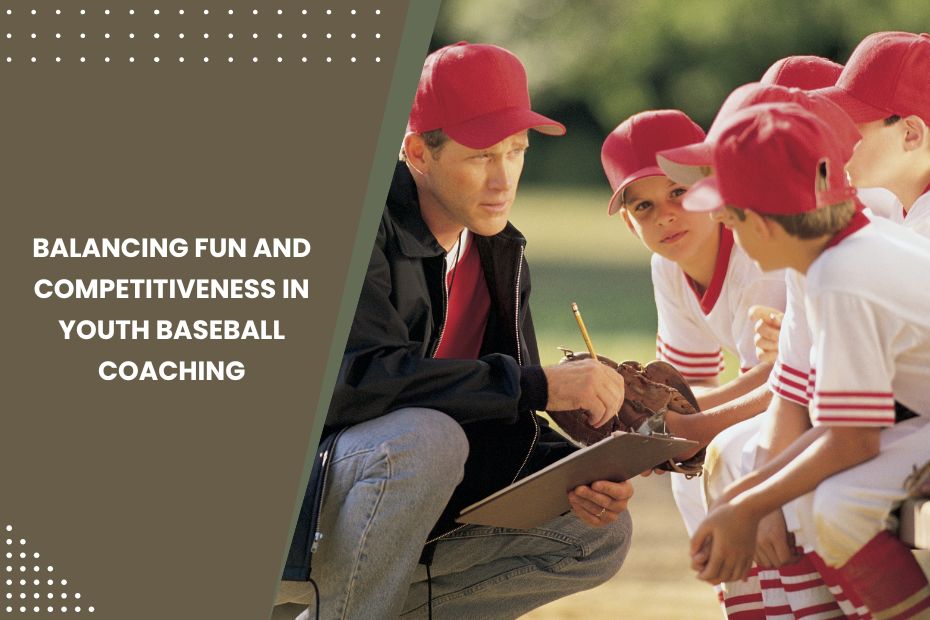
Coaching youth baseball isn’t just about winning games—it’s about keeping kids in the game long enough to grow their skills, build confidence, and learn how to compete without burning out. Striking the right balance between fun and competitiveness isn’t easy, but it’s essential. The kids who come back season after season, improve steadily, and develop leadership on and off the field are usually the ones who are having fun while also being pushed to compete. I’ve coached youth players across multiple age groups, and what consistently works is a system where fun isn’t separated from competitiveness—it’s part of it. If the environment is engaging, challenging, and fair, you’ll see players give their best effort and actually enjoy doing it. That’s the core of coaching youth baseball the right way.
Understand Why Kids Show Up
Before designing a practice plan or setting a lineup, I ask myself why the players are here. Most kids sign up because they want to have fun, make friends, and feel good at something. If we don’t respect those motivations, they won’t stick around long enough to grow. I talk to players about what they enjoy most and watch for when they’re fully engaged. That’s where I place the focus. Whether it’s a favorite drill, a post-practice scrimmage, or a competitive team challenge, the key is keeping them active and smiling while still improving.
At the same time, kids like to compete. They want to win, beat their best time, throw harder, hit farther. The trick is helping them understand that winning isn’t the only form of success. When we celebrate effort, improvement, and teamwork just as much as the scoreboard, players get better and stay motivated without fearing failure.
Make Team Culture the Foundation
The team culture sets the tone for everything. I don’t just talk about effort and attitude—I make sure it shows up every day. I start each season by outlining the core values: respect, hustle, and enthusiasm. I reward those traits in practice and in games. If someone lays out for a fly ball or picks up a teammate who struck out, I make sure the whole team recognizes it. That creates a feedback loop where positive behavior gets repeated because it matters to the group.
Fun is contagious in the right environment. I design drills that keep players moving and mix in small competitions during practice. That way, every kid gets reps, every kid gets encouragement, and they learn how to stay sharp while also having a good time. The best part is seeing players who used to get nervous in games start leading cheers or mentoring younger teammates because they feel safe and supported.
Design Competitive Practices That Stay Engaging
Fun doesn’t mean goofing off—it means doing something challenging and enjoyable. I build practices that simulate game intensity, but without the stress. That includes stations that rotate quickly, drills with scoring systems, and team-based competitions. Whether we’re running relay throws or working on situational defense, I keep a scoreboard and divide the team into small groups so there’s always a goal to hit.
The difference is how I talk about the results. If one team wins the drill, we celebrate it. If another team struggles, we ask what could’ve gone better. That keeps the atmosphere competitive but constructive. Every player should leave practice feeling like they improved and contributed. That kind of experience builds internal motivation, which matters more than any outside pressure to perform.
Equal Playing Time Matters More Than People Think
When coaches chase wins by stacking playing time toward a few top performers, they lose the rest of the team. I give every player a chance to contribute—early, often, and in different roles. That doesn’t mean everyone starts at shortstop, but it does mean everyone gets meaningful reps in practices and games. Kids can’t improve from the bench.
I also rotate positions regularly in the younger age groups. This lets players discover where they’re most comfortable and helps them develop a broader understanding of the game. It keeps practices fresh and reduces the chances of a player losing interest because they feel boxed into a single role. By middle school, players will start finding their best fit—but before that, versatility is part of learning the game.
Build Skills First, Then Push Competition
It’s tempting to throw kids into high-pressure situations early on, especially if they show talent. But long-term success depends on a strong foundation. I spend more time teaching throwing mechanics, footwork, and situational awareness than I do running game scenarios. If the fundamentals aren’t there, performance under pressure won’t be consistent.
Once a player shows consistent control over the basics, I ramp up the competitive elements. That might mean tracking their progress in batting practice or giving them high-leverage opportunities during scrimmages. I always tie performance goals to individual growth—not comparison to others. This makes competition feel exciting rather than intimidating, and players gain confidence by seeing their own progress over time.
Use Failure as a Teaching Tool, Not a Penalty
Mistakes are a huge part of learning baseball. I tell players right away that they will miss balls, strike out, and make bad throws—and that it’s expected. The goal isn’t to avoid failure, it’s to respond to it. If a player messes up and sees a coach lose their cool, they’ll start playing scared. If they hear calm feedback and a clear next step, they’ll try again with purpose.
I even create drills where failure is likely. We’ll run full-speed infield drills with time limits or set up challenges that test communication. When the drill breaks down, we stop and talk about it. What happened? What could we try differently? That helps kids develop mental toughness without any emotional damage. It also makes them more resilient in games—when something doesn’t go right, they’re already used to adjusting on the fly.
Involve Parents Without Turning It Into a Sideline Show
Parents are part of the process, but they need guidance too. I start every season with a meeting that lays out expectations: we’re here to teach the game, support the players, and create a positive experience. I ask them to focus on effort, not results, and remind them that their job is to be the biggest fan, not a second coach from the bleachers.
I also keep parents updated on team goals and individual progress. When they hear how much effort their child is putting in at practice—and how we’re supporting growth across the roster—it makes game day less about stats and more about improvement. That balance helps reduce pressure, especially on players who are still learning how to deal with competition.
How to Balance Fun and Competition in Youth Baseball
- Use competitive drills that are engaging, not intimidating
- Rotate positions and give equal playing time
- Reward effort and improvement more than winning
- Create safe environments to fail and learn
- Involve parents in supporting development
In Conclusion
Balancing fun and competition in youth baseball isn’t a contradiction—it’s the sweet spot where players thrive. When kids enjoy what they’re doing, they stay in the game longer. When they’re challenged in the right ways, they keep pushing to get better. Coaching at this level is about designing an environment where every player is valued, every mistake becomes a lesson, and every game is part of a bigger process. If you get that balance right, you’re not just building better ballplayers—you’re building confident, coachable young athletes who actually want to come back tomorrow.
Great coaching isn’t about choosing between fun and competition—it’s about combining both to shape lasting growth. For more reflections on coaching youth with purpose, head over to Home.blog