
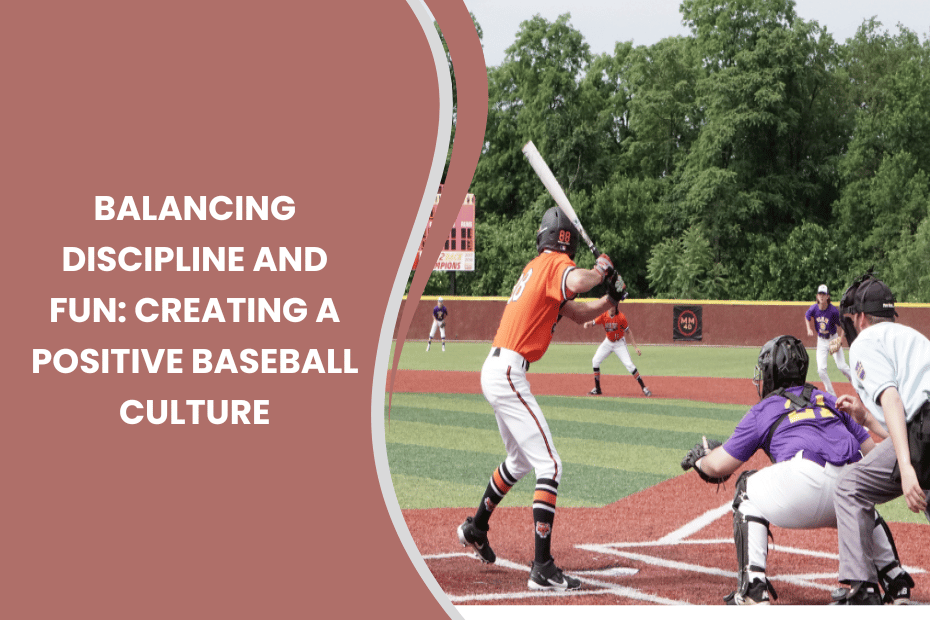
Creating a positive baseball culture is about much more than teaching skills and winning games. As a coach, I’ve found that it involves cultivating an environment where players feel motivated, valued, and excited about the game. It’s a delicate balance between maintaining discipline to drive improvement and incorporating fun to keep the passion alive. This guide explores strategies to build a culture where discipline and enjoyment go hand-in-hand, leading to a motivated and cohesive team.
Establishing Team Values and Setting Expectations
The foundation of a positive team culture lies in setting clear values and expectations. These values guide behaviors on the field and shape attitudes and interactions off it. For instance, prioritizing respect, teamwork, effort, and sportsmanship ensures that players understand what is expected of them. When I coach, I incorporate these values into every aspect of our routine—whether it’s during warm-ups, practices, or games—emphasizing that how we play is just as important as the outcome.
Setting expectations early helps to avoid misunderstandings and reinforces the standards of the team. I start each season by involving players in the process of establishing team rules. This gives them ownership and ensures that everyone is on the same page. Regularly revisiting these values throughout the season helps reinforce their importance and keeps the team focused on what matters.
Maintaining Open Communication Channels
Communication is a cornerstone of any positive team environment. As a coach, I make it a point to establish open communication channels where players feel comfortable sharing their thoughts, concerns, and suggestions. This can be achieved through team meetings, one-on-one conversations, or informal discussions after practice. Listening to players’ feedback builds trust and provides valuable insights that can be used to make adjustments during the season.
Encouraging players to express themselves also fosters a culture where everyone feels involved in the team’s progress. I have seen how players who feel heard are more committed to the team and more motivated to give their best. It’s also important to model good communication practices, such as using positive reinforcement, offering constructive feedback, and showing empathy. This sets the tone for how players should interact with one another, enhancing cohesion and understanding within the team.
Leading by Example: Demonstrating Discipline and Positivity
One of the most powerful ways to influence team culture is by leading through example. The way a coach handles setbacks, celebrates wins, and manages discipline directly impacts how players approach these aspects themselves. I always aim to show composure during challenging situations, such as tough losses or bad calls by the umpire, to teach players the value of maintaining a positive attitude despite adversity.
Exhibiting discipline doesn’t mean being rigid; it means being consistent in expectations and actions. For instance, if a player shows up late for practice, addressing the situation calmly but firmly reinforces the importance of commitment. By consistently demonstrating both discipline and a positive attitude, players learn to uphold high standards while still finding joy in the game.
Incorporating Fun into Practices to Keep Players Engaged
While structured training is crucial for skill development, adding elements of fun keeps players motivated and excited to participate. I incorporate game-like drills that simulate competitive situations, such as scrimmages or fielding competitions, which make practices more enjoyable and simulate real-game scenarios. These activities help players improve their skills while enjoying the process.
Using fun activities as rewards can also motivate players to perform well during more intensive drills. For example, ending practice with a fun game or allowing the winning team of a drill to skip certain conditioning exercises adds a playful element to training. The goal is to create a balance where practices are challenging enough to drive improvement but also enjoyable enough to maintain a positive atmosphere.
Strengthening Team Bonds Through Social Activities
Building strong relationships within the team is essential for fostering a positive culture. I organize regular team-building activities outside of regular practice, such as movie nights, team dinners, or community service projects. These activities give players an opportunity to bond in a non-competitive environment, helping to build trust and camaraderie that translates to better teamwork on the field.
Creating team traditions, such as pre-game rituals, chants, or unique celebrations, also contributes to a sense of belonging. These shared experiences become part of the team’s identity, making players feel connected to something bigger than themselves. When players enjoy each other’s company off the field, it enhances their cooperation and support during games.
Treating Mistakes as Learning Opportunities
Mistakes are a natural part of sports, and how they are addressed can significantly influence a team’s culture. I emphasize that errors should be viewed as opportunities for growth rather than reasons for punishment. When players make mistakes, I focus on the steps needed to improve rather than dwelling on the error itself. This approach reduces fear of failure and encourages players to take risks, which is essential for development.
I also encourage players to support one another after mistakes by emphasizing the importance of team encouragement. When a teammate makes an error, a quick gesture of support—like a pat on the back—can do wonders for morale. This supportive environment helps players feel more confident and fosters a culture where everyone is working toward common goals, regardless of individual setbacks.
Celebrating Successes and Effort Equally
While celebrating big wins and standout performances is important, recognizing effort and small victories also contributes to a positive culture. I make it a habit to highlight moments of hard work, such as a player showing consistent improvement or displaying great sportsmanship. This encourages players to value effort as much as achievement and motivates them to continue putting in the work.
End-of-season awards or weekly acknowledgments can play a significant role in maintaining this balance. Recognizing various achievements, such as “Most Improved Player” or “Best Teammate,” ensures that every member feels appreciated for their contributions. This boosts individual morale and reinforces the team’s values by showing that success is not just about the score but about continuous improvement and teamwork.
Key Tips for Balancing Discipline and Fun in Baseball
- Set clear team values and expectations: Emphasize respect, effort, and sportsmanship.
- Encourage open communication: Create spaces for players to share thoughts and feedback.
- Lead by example: Demonstrate a balance of discipline and positivity.
- Incorporate fun in practices: Mix structured drills with enjoyable activities.
- Celebrate all successes: Recognize both big achievements and consistent effort.
In Conclusion
Creating a positive baseball culture requires a thoughtful approach to balancing discipline with enjoyment. By setting clear values, fostering communication, and modeling the behavior you expect, you can create an environment where players thrive both on and off the field. Incorporating fun elements in practices, building strong team bonds, addressing mistakes positively, and celebrating all forms of success further enhances this culture. When players are motivated by both the love of the game and a commitment to high standards, the entire team benefits from a more engaged and cohesive atmosphere.