
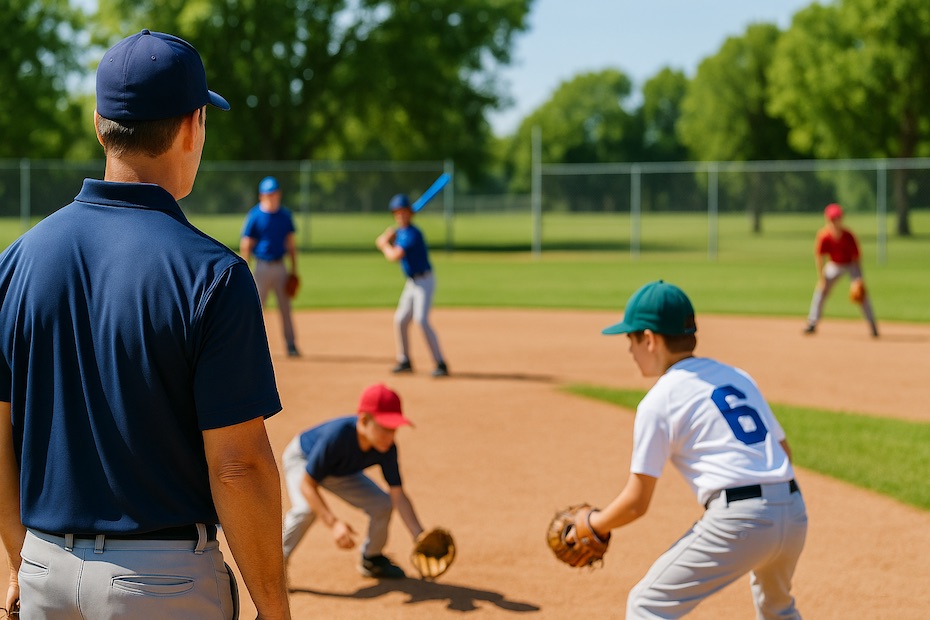
A fair and effective youth baseball tryout evaluates every player equally based on skills, effort, and attitude through structured drills and transparent scoring. It gives all athletes a real opportunity to earn their spot.
Running youth tryouts well isn’t just about logistics—it’s about trust. You’re not only selecting a team; you’re building a culture. In this article, you’ll get a step-by-step breakdown on how to organize drills, assess players fairly, and handle parent communication confidently—all while building a program players want to be part of.
What Makes a Baseball Tryout “Fair”?
It comes down to consistency. Each player should have the same number of reps at each station, the same drill exposure, and be scored using the same evaluation criteria. You can’t leave evaluations to memory or gut feeling. Instead, design a rubric that breaks down core skills like fielding, hitting, throwing, speed, and coachability. Assign numeric values to each, and train your coaching staff to stay objective.
When you remove subjectivity from the process, you minimize bias. And when parents see a structured system, they’re more likely to support your final decisions—even if their child doesn’t make the top squad.
What Do You Need to Prepare Before Tryouts?
Preparation sets the tone and helps avoid confusion. You’ll want to plan your stations in advance and assign coaching staff to each one. Have printed evaluation forms or digital checklists ready. Give each player a numbered jersey or sticker for anonymity and clear tracking.
You should also brief your staff on how to rate each skill using your rubric. Avoid letting one coach handle all scores—spread the responsibility so no single opinion dominates. This creates balance and reduces personal bias, especially if some families are more familiar with certain coaches than others.
How Should You Structure Drill Stations?
Your stations should mimic game-like situations and isolate key abilities. For fielding, set up both ground ball and fly ball stations to test range and glove control. Infielders should be evaluated on footwork, transfers, and throws. Outfielders on positioning and arm strength. Pitchers should throw to live catchers so coaches can assess mechanics, velocity, and control.
Include a hitting station with tee work, soft toss, and live pitching. Let players demonstrate bat control, timing, and approach—not just power. Base running can include 60-yard dashes, but also watch how players round bases. Decision-making on the move tells you a lot.
How Do You Handle Pitchers and Catchers?
Pitchers and catchers require specific attention. For pitchers, look at more than just speed—check for repeatable mechanics, poise, and ability to hit spots. For catchers, measure pop time, blocking, and receiving skills. These roles influence every inning, so don’t cut corners. It’s often helpful to record sessions for review.
Also, keep an eye out for utility players—kids who may not be elite in one area but can contribute in several. These are the types of players that provide depth and value in a youth lineup, especially over a long season.
How Do You Score Players Objectively?
Use numeric scores, but supplement with short written comments. You’re evaluating not just talent, but trainability. A kid with average skills but top-tier focus and hustle may outperform a raw talent who doesn’t listen. Scorecards should include technical skills, athleticism, attitude, communication, and effort.
Make sure each evaluator is assigned specific categories—one coach for hitting, another for fielding, etc. This limits cross-judgment and makes final comparisons clearer. Once the tryout ends, compile scores, highlight top performers, and flag players who may need another look. If scores are close, review your notes, not your memory.
When and How Do You Announce Results?
Don’t drag it out. Aim to release results within 48 hours. Communicate by email or post to a team portal where parents can view them privately. Announce team rosters, practice start dates, and next steps.
Be prepared for questions—but always stick to facts. Refer to the rubric, not emotion. If a parent wants to know why their child didn’t make the top team, walk them through the scores. Offer positive feedback on where the player can grow. That kind of transparency often eases the sting of disappointment.
How Can You Support “Bubble” Players?
For those on the edge of selection, offer developmental spots or invite them to the first few team practices for a second evaluation. These opportunities encourage effort and demonstrate your commitment to improvement. Some coaches set aside a flex spot to finalize after a few team sessions. If you choose that route, communicate expectations upfront and apply them equally.
Bubble players often blossom mid-season—your flexibility now could pay off later. Just make sure you explain clearly how and when those final choices will be made.
What’s the Best Way to Involve Parents?
Start early. Before tryouts begin, send a short guide explaining how the process works, what skills will be evaluated, and how decisions will be made. Set boundaries—parents should not coach from the sideline or interrupt stations.
After tryouts, offer a feedback window where they can ask questions in writing. Stick to performance facts and avoid comparing players by name. You’re not just running drills; you’re building relationships—and those relationships will last through the season.
Top Tryout Best Practices for Youth Coaches
- Use a clear rubric with consistent scoring
- Design drill stations to reflect real game play
- Assign multiple coaches to eliminate bias
- Release results within 48 hours
- Provide honest feedback for development
How Do You Measure Team Chemistry?
Don’t ignore chemistry in your final decisions. Some kids may have slightly lower skills but lift others up through their energy or leadership. Others may hurt a team despite talent. If your core group plays better when a certain player’s on the field, that matters.
Consider holding a short scrimmage at the end of tryouts to see how players mesh under pressure. These little glimpses often tell you more than numbers ever can. Great teams need more than stats—they need unity and character.
In Conclusion
Running a fair and effective youth baseball tryout requires structure, objectivity, and strong communication. When you score players consistently, offer honest feedback, and handle parents with transparency, you earn credibility as a coach. The better your process, the better your program—and the more respect you’ll earn from players and families alike.
Tryouts aren’t just about picking a team—they’re about building trust. In my latest article, I break down how to run youth baseball tryouts that are fair, structured, and truly player-focused. Read more at Jeffrey Wendel Scholarship.