
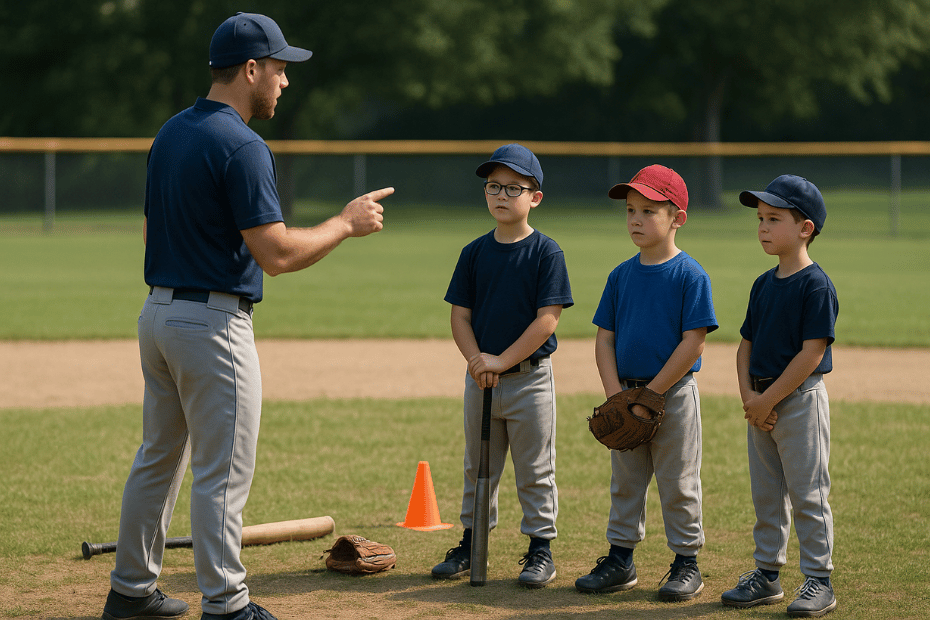
If you’ve ever watched a Little League game and thought, “I’d love to be out there helping,” then you’re already halfway to becoming a baseball coach. Coaching baseball goes far beyond calling balls and strikes or managing lineups—it’s about guiding players, teaching fundamentals, and creating a team environment that supports learning and growth. Whether you’re aiming to coach youth baseball or have ambitions for higher levels, this article walks you through everything you need: getting certified, gaining real experience, defining your coaching style, and planning that all-important first practice.
Understand What You’re Signing Up For
Before you jump into certification programs, it’s important to be clear about what coaching actually demands. You’re not just running drills—you’re shaping the way players see the game and themselves. Your role is part instructor, part motivator, part conflict resolver. Depending on the level, you’ll spend your time teaching basic skills, managing game strategies, dealing with parents, and maintaining safety standards.
You’ll also handle things like equipment management, player assessments, scheduling, and dealing with the emotional ups and downs of young athletes. The earlier you accept that this job requires a mix of patience and preparation, the better you’ll lead once you’re on the field.
Get Certified—And Make It Count
If you want to coach in any organized league, certification isn’t optional. USA Baseball offers one of the most respected coaching certification paths out there, and it’s free. The system is tiered, starting with foundational courses and moving into higher-level material with input from MLB pros and experienced coaches. It’s a solid place to start, especially if you’re coaching youth or high school teams.
You can also look into the National Federation of State High School Associations (NFHS) course. This includes video instruction, rule overviews, and guidance on everything from offensive strategy to position-specific coaching. If you’re working with Babe Ruth League programs, Human Kinetics has partnered with them to offer a certification focused on youth development and coaching responsibilities.
These programs not only give you technical training, they also make you eligible to coach under local and national regulations. More importantly, they give you tools to keep your players safe and help them improve.
Put Yourself on the Field—Before You Lead It
There’s no replacement for live experience. Volunteering as an assistant coach gives you the chance to learn the ropes without having to take the full lead. You’ll observe how drills are run, how player feedback is delivered, and how to manage a group of kids without things turning into chaos.
It’s also a chance to test your communication skills. Coaching kids is very different from instructing adults—you need to explain techniques clearly, adapt on the fly, and learn how to encourage without criticizing. If you’re brand new, ask your local league or school athletic director about volunteer slots. You’ll build relationships that often lead to head coaching opportunities down the line.
Create Your Coaching Philosophy
A strong coaching philosophy gives you clarity, and your team clarity too. It affects how you make decisions, structure practices, and even how you deal with pressure during games. Do you focus on fundamentals over competition? Do you reward hustle or results? Do you build your lineups based on merit, development, or rotating opportunities?
Think about what matters to you. Maybe your goal is to build confidence in new players. Maybe it’s to develop high-school-level talent from middle school up. Whatever it is, write it down. Use that as your anchor when parents question decisions or when your team hits a losing streak. A coaching philosophy isn’t just a feel-good mission statement—it’s your playbook for leadership.
Plan That First Practice Like It Sets the Tone (Because It Does)
Your first practice isn’t just a warmup—it’s your team’s first impression of you. Start with a brief welcome and explain what they can expect during the season. Keep things clear: your rules, your communication style, how you expect them to behave, and what you plan to focus on.
Structure your session with simple drills that help you assess skill levels. You don’t need to overload them with strategy yet. Instead, focus on throwing mechanics, catching form, hitting basics, and how players respond to instruction. Mix in a few fun activities or team-building moments to break the ice. That first session should end with your players feeling excited to come back.
Use the Right Tools to Stay Organized and Sharp
Even seasoned coaches need help staying on top of planning, and you’ll find plenty of free resources to keep you efficient. USA Baseball’s Sport Development site is a goldmine—it includes practice templates, skill development progressions, and safety checklists. The Positive Coaching Alliance also offers great material on working with players and parents to build a positive culture.
The National Alliance for Youth Sports (NAYS) focuses on safety, communication, and developmentally appropriate coaching strategies. You don’t need to adopt every tool, but knowing where to look when you hit a roadblock makes your coaching life a lot easier.
Apps like TeamSnap, GameChanger, or CoachUp can also help you schedule practices, manage rosters, and communicate quickly with parents and players.
Build a Network You Can Lean On
No matter how skilled you are, coaching is easier when you’re part of a network. Local coaching clinics, sports associations, or even online groups provide space to ask questions, share resources, and learn from others who’ve been in your shoes.
Experienced coaches can offer advice on dealing with game-time pressure, responding to difficult parents, or keeping practice fun for kids with short attention spans. Stay open to learning from others. You might be the head coach, but the best leaders never stop taking notes.
Stay Consistent, Stay Human
Your players won’t remember every drill, but they’ll remember how you made them feel. Keep your energy consistent. Stay calm during tough games. Offer real feedback without yelling. Recognize effort even when the result isn’t perfect. Being a coach means being a role model, especially in the tough moments.
And when things go wrong—and they will—own it, reset, and keep moving. Whether your lineup decision backfires or your practice plan bombs, your response teaches more than your game strategy ever could. Be the coach that players trust, and their development will follow.
Steps to Become a Baseball Coach
- Complete coaching certifications (USA Baseball, NFHS)
- Volunteer to gain experience
- Develop a clear coaching philosophy
- Structure your first practice for engagement and assessment
- Use development tools and scheduling apps
- Join coaching networks for guidance and support
In Conclusion
Coaching baseball isn’t about barking orders from the dugout—it’s about leadership, preparation, and connection. When you earn your certifications, get hands-on experience, and plan with intention, you set yourself—and your players—up for a great season. The process takes time, but each step brings you closer to becoming the coach who makes a real difference on and off the field.
Thanks for sharing this detailed and practical guide on becoming a baseball coach. If you’re passionate about sports leadership or youth development, my Weebly site is worth a visit.